
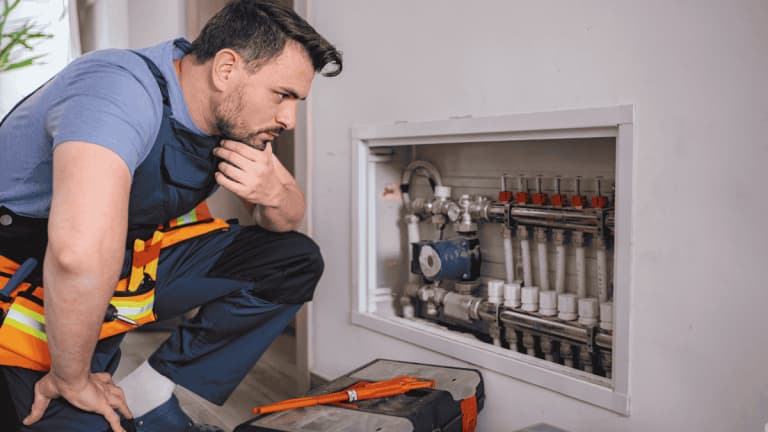
Underfloor heating is reliable, efficient, and long-lasting when installed correctly. However, like any heating system, it can develop issues over time if not properly maintained. The good news is that most problems are easy to prevent — and even easier to fix when identified early.
This guide covers the most common underfloor heating problems, their causes, and how to keep your system working perfectly all year round.
System Not Heating Up Properly
If your underfloor heating isn’t warming as expected, the issue is usually related to flow rates, air trapped in the pipes, or thermostat settings.
For water-based systems, trapped air can stop warm water from circulating evenly. Bleeding the system or balancing the manifold often solves this. In electric systems, a faulty thermostat or damaged cable could be the cause.
Always check your thermostat settings first and ensure your heating schedule is active. If the system still doesn’t heat properly, a professional inspection may be needed to locate the problem.
Uneven Floor Temperatures
Uneven temperatures across the floor are a common complaint in older installations. This often happens when insulation beneath the heating system is insufficient, or the floor covering restricts heat transfer.
Thick carpets, rugs, or high-tog underlays can block warmth from reaching the room. For water systems, poor balancing between zones can also lead to hot and cold spots.
To prevent this, use consistent floor finishes throughout a zone and ensure proper insulation beneath the system. Balancing the water flow through each loop also helps maintain even temperatures.
Thermostat or Sensor Issues
Thermostats play a key role in underfloor heating performance. If a thermostat or floor sensor is malfunctioning, the system may fail to reach the desired temperature or run longer than necessary.
Digital thermostats are more accurate and energy-efficient than manual ones. Upgrading to a smart thermostat allows you to control and monitor temperatures more precisely, helping to avoid future issues.
Pressure Loss in Water Systems
If you notice a drop in system pressure, there may be a minor leak or air trapped in the circuit. Pressure loss can reduce performance and increase energy use.
Check the manifold pressure gauge — it should typically sit between 1 and 2 bar. If it’s lower, top it up according to manufacturer instructions. Persistent pressure drops should be checked by a qualified technician to identify leaks or valve issues.
Slow Warm-Up Times
Underfloor heating warms the floor gradually. However, if it’s taking much longer than usual, the problem could be poor insulation, incorrect thermostat programming, or low system flow rates.
Regular maintenance, such as flushing water systems or recalibrating electric thermostats, ensures the system runs efficiently. If insulation was never installed beneath the floor, adding it during a renovation can significantly improve heat-up time.
Electrical Faults (Electric Systems)
Electric underfloor heating systems are generally low-maintenance, but damage to cables during installation or renovation can cause faults. These issues are often detected by a fault light on the thermostat or uneven heating across the floor.
Never attempt to repair electric cables yourself. A certified electrician or underfloor heating specialist can test and repair the system using diagnostic tools.
Preventative Maintenance Tips
Most underfloor heating problems can be avoided with regular checks and basic maintenance:
• Have your system inspected annually, especially before winter.
• Check thermostats, sensors, and timers regularly.
• For water systems, ensure the pressure remains between 1–2 bar.
• Avoid placing thick rugs or furniture directly over heated zones.
• Flush and service wet systems every few years to remove air and debris.
These simple steps keep your system efficient, extend its lifespan, and maintain consistent comfort.
Frequently Asked Questions
How long does underfloor heating last?
A properly installed system can last over 50 years with minimal maintenance.
Can underfloor heating leak?
Leaks are rare in modern systems, especially with high-quality fittings. Regular servicing helps detect any issues early.
Should I turn off underfloor heating in summer?
Yes, you can turn it off during warmer months, but ensure the system is checked and restarted gradually before winter.
Conclusion
Underfloor heating is a durable, low-maintenance heating solution, but like any system, it benefits from regular care. Most common problems are minor and easily prevented with good insulation, proper thermostat control, and periodic servicing.
If you suspect a fault or your system isn’t performing as expected, professional help can restore full efficiency quickly.
 Next Day Delivery
 100% Secure Shopping
 Price Match
 Lifetime Warranty
 30 Day Returns