Electric Underfloor Heating provides efficient, even warmth, is easy to install and frees up wall space by eliminating the need for radiators.
Electric Underfloor Heating Systems
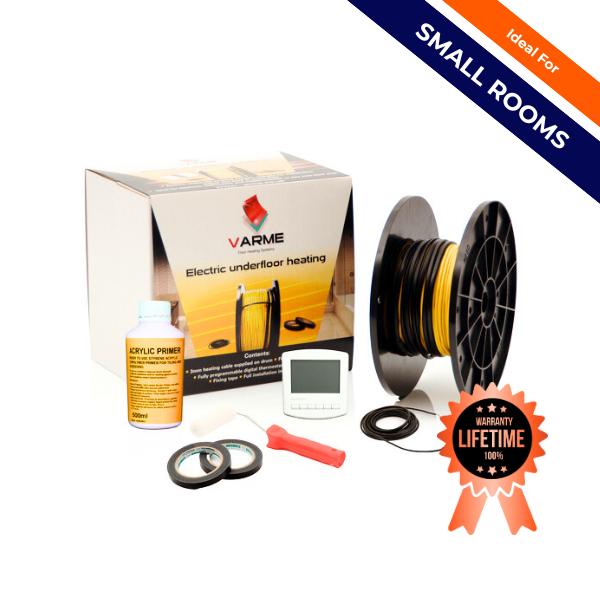
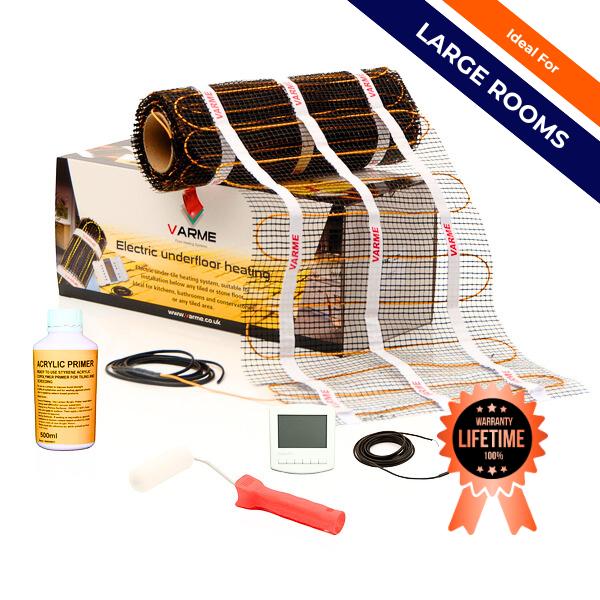
There are 2 main kits available.
Each kit is designed for easy installation, backed by our price match promise and lifetime warranty—giving you unbeatable value, quality, and peace of mind.
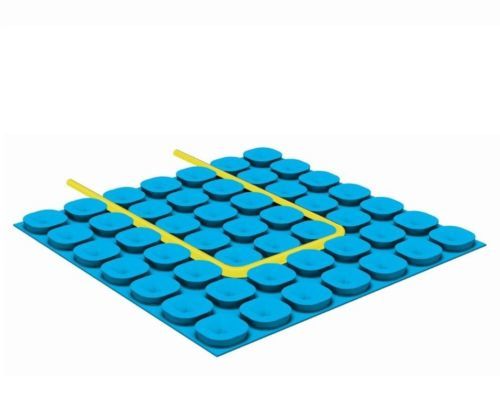
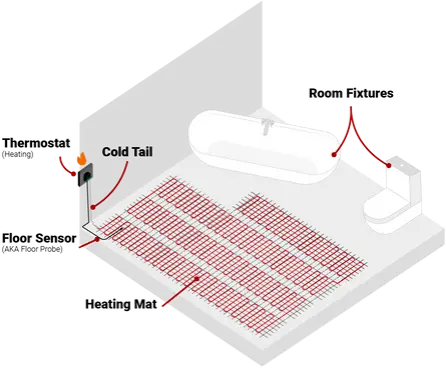
Electric underfloor heating is a modern heating solution that uses electric heating cables or mats installed beneath the floor surface to provide comfortable, evenly distributed warmth. When switched on, the system gently heats the floor, which then radiates warmth upward, eliminating cold spots and creating a consistent room temperature.
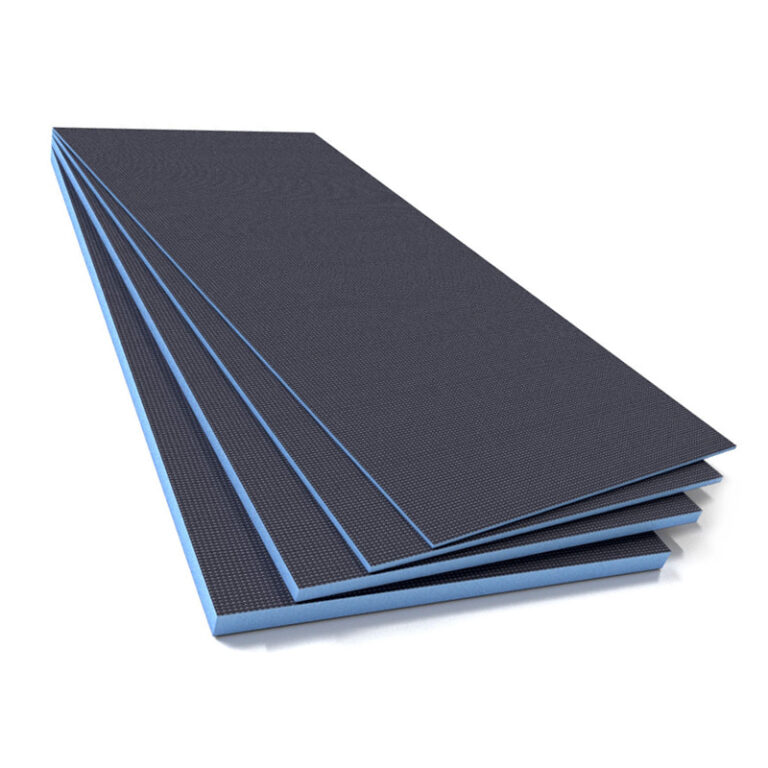
This type of underfloor heating is commonly used in bathrooms, kitchens, and living spaces, and is especially popular for retrofit projects because of its low installation height and straightforward fitting process. Electric systems are typically installed directly onto an insulation layer and covered with tile adhesive, self-levelling compound, or screed, depending on the floor finish.
Electric underfloor heating is controlled by a digital thermostat, allowing precise temperature control and energy-efficient operation. It is compatible with a wide range of floor coverings, including tiles, stone, laminate, vinyl, and carpet (with suitable underlay).
Ideal for single rooms or smaller areas, electric underfloor heating offers a maintenance-free, space-saving alternative to radiators, delivering reliable comfort without compromising room aesthetics.
How does Electric Underfloor Heating work?
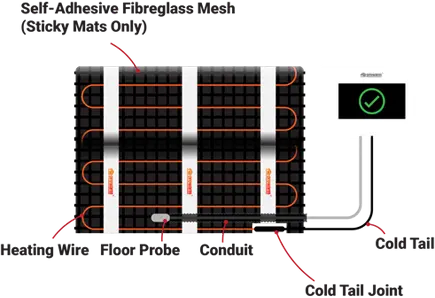
Electric Underfloor Heating works by having an ultra-thin heating wire under your floor covering which using mains electric, generates heat. The heat radiates up through the floorboards, warming both the floor and the room above to the desired temperature set on the thermostat.
Benefits of Electric Underfloor Heating
Underfloor heating distributes heat evenly throughout your room, alleviating cold spots and allowing you to remove ugly radiators on the walls. It’s more energy efficient than conventional heating methods and provides a luxurious feeling under foot.
Electric Underfloor Heating Systems heat up quicker than Water Underfloor Heating systems or traditional convention-based solutions, so you don’t need to leave your heating on for long periods of time to feel the benefit.
When installed correctly, Electric Underfloor Heating Systems require zero maintenance. All our systems come with a Lifetime Warranty.
Even, consistent heat distribution with no cold spots
Comfortable radiant warmth from the floor up
Low installation height, ideal for retrofits
Quick and simple installation compared to wet systems
Precise temperature control with digital thermostats
Energy efficient when used in individual rooms or zones
Compatible with a wide range of floor finishes
Maintenance-free with no moving parts
Silent operation with no noise or vibration
Frees up wall space by removing the need for radiators
Fast heat-up times, especially in tiled areas
Ideal for bathrooms, kitchens & smaller rooms
Can I Install Electric Underfloor Heating Myself?
An experienced DIYer should have no issues installing our Electric Underfloor Heating Systems, some general building experience should see you well on your way to completing your install. However, you will need a qualified electrician to connect your heating cable to your property’s electrical circuit to comply with UK building regulations.
Generally, though, Electric Underfloor Heating Systems are the easiest way to add Underfloor Heating to your home.
What type of Underfloor Heating System should I choose?
Electric Underfloor Heating use electrical cables to pass electric through and generate heat, whilst Water Underfloor Heating uses a connected array of pipes set in the floor, a heat source and a pump to pass water through the pipes that in turn, work to heat your floor.
Electric Underfloor Heating
Quick and easy installation
Best underfloor heating for bathrooms, and smaller rooms
Retro-fit into existing rooms with minimum disruption
Yes — while you can lay the heating mats or cables yourself, all electrical connections must be completed by a qualified electrician to ensure the system is safe and complies with regulations.
Most floors are comfortably heated at around 26–29°C. Wood and vinyl floors often have a lower maximum temperature (usually 27°C), so always check the floor manufacturer’s recommendations.
Yes, small repairs can usually be made using an approved repair kit. If the damage is significant, the section may need replacing. Always consult a qualified installer.
Measure the free floor space (excluding fixed units such as cabinets). Our team can help you calculate the correct mat or cable size for perfect coverage.



 What is Electric Underfloor Heating?
 How does Electric Underfloor Heating work?
 Electric Underfloor Heating
 Water Underfloor Heating
 Next Day Delivery
 100% Secure Shopping
 Price Match
 Lifetime Warranty
 30 Day Returns