Water Underfloor Heating
Our Water Underfloor Heating systems deliver efficient, reliable warmth for new builds, retrofits, and upper floors, giving you comfort and lower running costs.
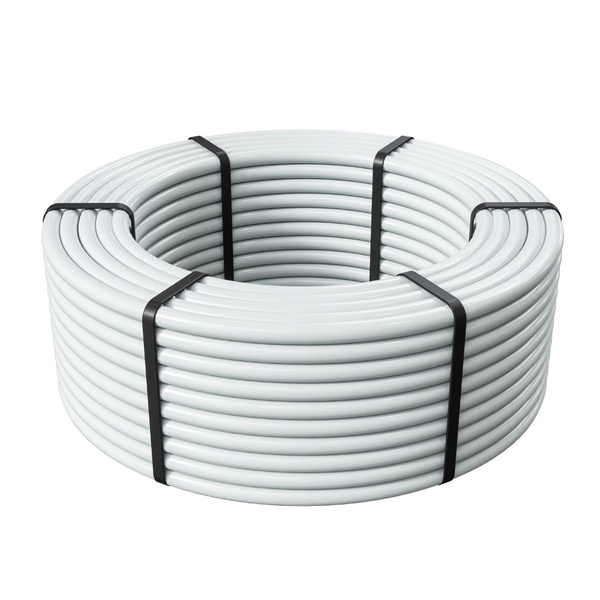
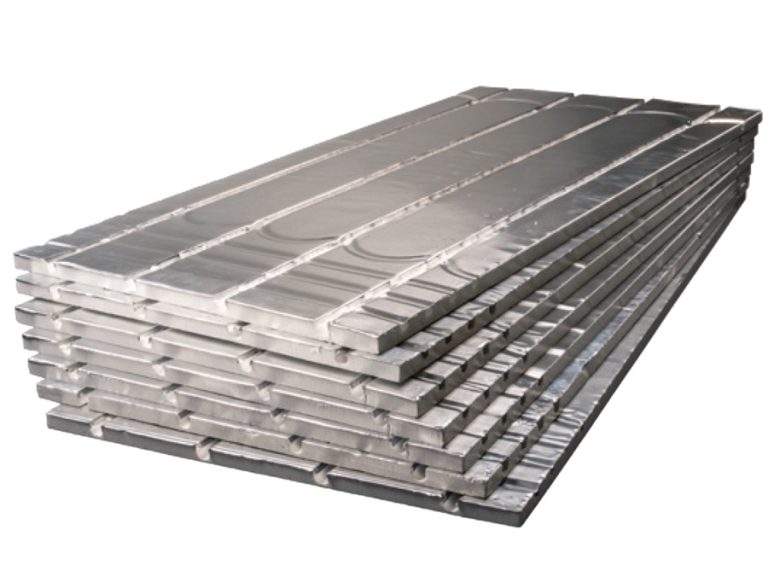
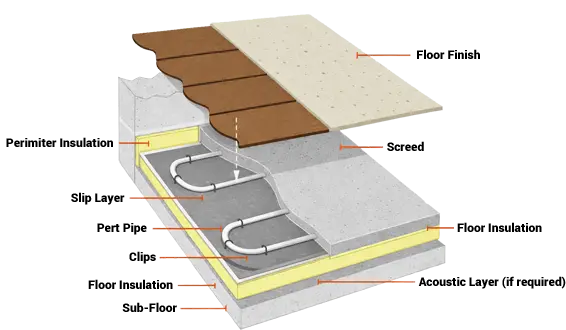
Water underfloor heating is also known as a “hydronic system” or “wet” – it can sit beneath stone, tile, wooden, laminate and carpeted floor. For water underfloor heating to be fitted, there has to be enough space for the pipes to be laid beneath the flooring. Depending on the amount of space available and the floor, the pipes will be set either into concrete screed which is usual for ground floors, heat diffuser plates across on timber joists or grooved insulation panels for floating floors. If there is insufficient space there may be a need for the floor to be raised.
Water underfloor heating circulates warm water through a network of pipes beneath your floor, creating an even and comfortable warmth across the whole room. By working at lower temperatures than traditional radiators, it is highly efficient and pairs perfectly with modern boilers and renewable heat sources like heat pumps.
Water Underfloor Heating Systems are ideal for new builds, extensions, and large renovation projects, offering a long-term, energy-efficient solution that increases both comfort and property value.
When installed correctly, Water Underfloor Heating requires very little maintenance and provides reliable heating for decades. All our systems are designed for durability and backed by a Lifetime Warranty.
• Energy-Efficient Whole Home Heating
• Works Perfectly with Heat Pumps & Modern Boilers
• Even Heat Distribution Across the Floor
• Lower Running Costs Compared to Radiators
• Compatible with Most Floor Finishes
• Free Up Wall Space by Removing Radiators
• Adds Long-Term Value to Your Property
• Reliable & Low Maintenance
Download our Installation Manuals for Water Underfloor Heating Systems and components:
Water underfloor heating (often called a wet system) uses a series of pipes fitted beneath the floor. Warm water is circulated through these pipes from your boiler or heat pump, gently heating the floor surface which then radiates heat evenly throughout the room.
Most modern boilers, including combi, system, and heat-only boilers, can run water underfloor heating. Heat pumps also work perfectly. The key is ensuring the system is designed with the right flow temperature and controls for efficiency.
No — in fact, water underfloor heating is typically cheaper long-term. Because it works at lower temperatures, it’s more efficient when paired with a modern boiler or heat pump.
Not always. If you use a combi boiler, no hot water tank is needed. For system or heat-only boilers, a tank may already be part of your setup.
Yes — a qualified plumber or heating engineer should handle the connection to your boiler and manifold. However, many customers complete the floor preparation and pipe laying themselves, leaving the final hookup to the professional.
Absolutely. This is a common setup. Your home can be zoned so the underfloor heating runs downstairs while radiators remain upstairs, all controlled from one system.
Yes — zoning ensures each room or area can be controlled individually. This improves comfort and efficiency, as you only heat the spaces you use.
They can be installed in screed, between joists, or using overlay panels. This makes them suitable for new builds, extensions, and retrofits.
Our overlay water systems start from as little as 18mm depth, making them ideal for retrofit projects where floor height is limited.
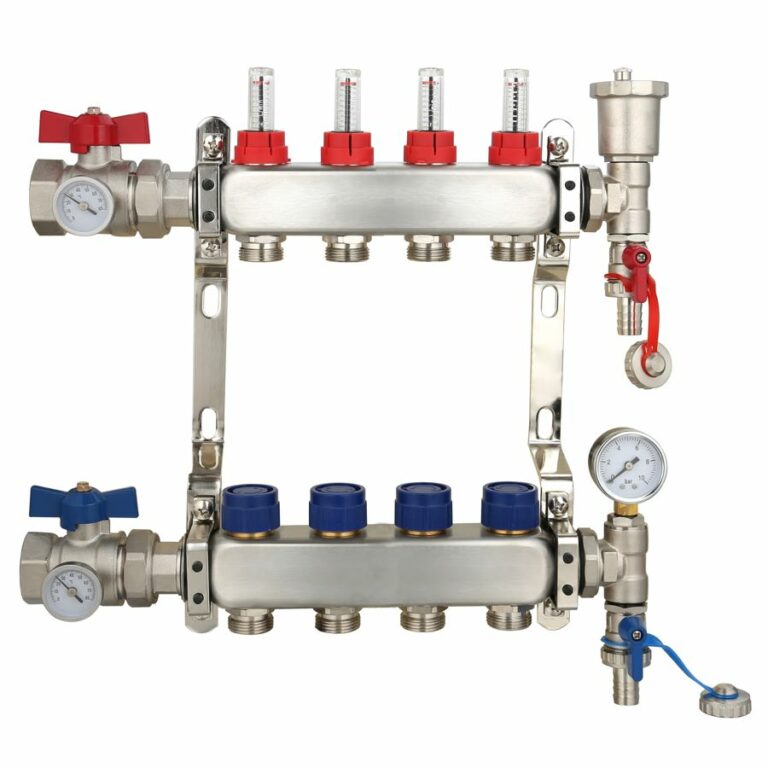
Manifolds are usually mounted horizontally for best performance, but if space is tight, our team can advise on alternative installation options.
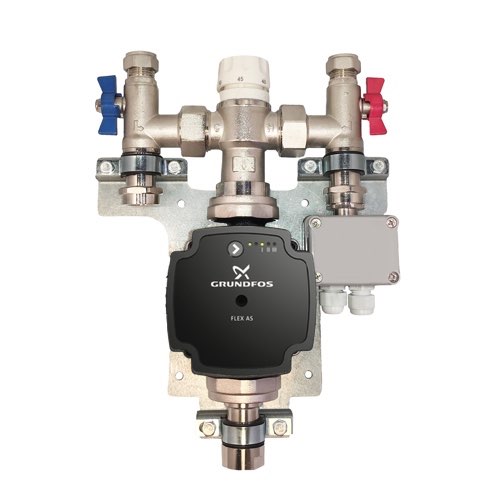
Yes, but you’ll need to ensure correct pump pressure and flow rates. It’s possible but should be planned with your installer to avoid circulation issues.
A motorised valve is recommended for most multi-zone systems, as it improves efficiency and ensures the system only heats when required.
Definitely. Many customers choose to fit underfloor heating in new extensions while leaving the rest of the property on its existing system.
Yes — overlay panels can be fitted over existing tiles, provided the surface is sound and level. This avoids the need to rip up your old floor.
Yes, a self-levelling compound can be applied over DUO panels before tiling, creating a smooth and durable surface.
Yes — engineered or laminate wood is ideal. Solid wood can also be used, but it’s more prone to expansion, so always check the flooring manufacturer’s guidance.
Pipe quantities depend on room size and layout. Our design team can provide a tailored pipe layout plan and calculate the exact amount required.
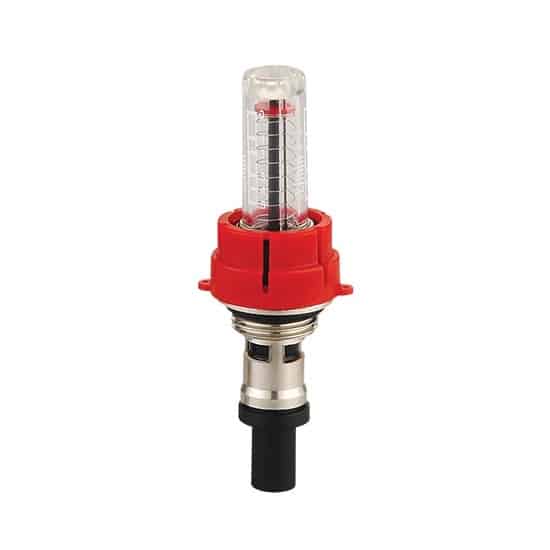
Each circuit’s flow rate is calculated during system design. Once installed, you simply adjust the flow meters on the manifold to match the recommended rates provided in your design pack.
Receive unique offers and special discounts on our products