
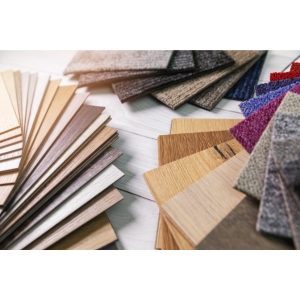
Choosing the right flooring is essential to get the best results from your underfloor heating system.
Not all flooring materials conduct heat equally. Some allow warmth to transfer efficiently, while others act as insulators and reduce system performance. In this guide, we’ll explain which flooring types work best with underfloor heating and how to ensure long-term comfort and efficiency.
Tiles and Stone
Tiles and natural stone remain the top recommendation for underfloor heating. These materials have a high thermal conductivity, which means they transfer heat quickly and evenly across the surface. Ceramic, porcelain, and limestone tiles work well with both electric and water-based systems.
They also retain heat for longer periods, which improves energy efficiency and keeps rooms warmer for extended times. To ensure durability, always use flexible adhesives and grouts that are designed for heated floors.
Engineered Wood
Engineered wood is another excellent option because it remains stable under temperature changes. Unlike solid wood, it has a layered structure that prevents warping and shrinkage. It combines a natural, timeless appearance with reliable heat performance.
For best results, choose engineered boards with a maximum thickness of 18mm and maintain a surface temperature below 27°C. Avoid softwoods and unseasoned timber, as these can expand or contract with heat fluctuations.
Vinyl Flooring
Modern vinyl flooring, including luxury vinyl tiles (LVT), performs well with underfloor heating systems. Vinyl warms up quickly, is comfortable underfoot, and is easy to clean and maintain. It also offers excellent heat transfer, making it a suitable choice for bedrooms, living areas, and kitchens.
Before installation, always check the manufacturer’s temperature limits, as some vinyl products have specific maximum heat tolerances.
Laminate Flooring
Laminate flooring can be compatible with underfloor heating when selected carefully. Choose high-quality laminates that are specifically approved for UFH systems. High-density laminate performs better and resists damage from heat cycles.
Use a low-tog underlay to allow efficient heat transfer and avoid cheaper, thin laminates that may separate or warp over time.
Carpet
Carpet can be used with underfloor heating, although it is less efficient at transferring heat due to its insulating nature. If carpet is preferred, select thinner options with a total tog value (carpet plus underlay) of less than 2.5. This ensures heat can still pass through effectively while maintaining comfort.
Flooring Types to Avoid
Solid hardwood is not recommended, as it expands and contracts when exposed to heat, which can cause cracking or gaps. Thick carpets or rugs reduce heat transfer significantly, and rubber flooring may soften or emit odors when warmed.
Frequently Asked Questions
What flooring gives the best heat transfer with underfloor heating?
Ceramic and stone tiles offer the highest efficiency, followed by engineered wood and quality vinyl flooring.
Can you use carpet with underfloor heating?
Yes, but the total tog value of the carpet and underlay should not exceed 2.5 to ensure efficient heat flow.
Does underfloor heating damage wood floors?
No, as long as you use engineered wood designed for UFH systems and maintain the correct temperature settings.
Conclusion
The best flooring for underfloor heating depends on your home’s design and the level of warmth you want to achieve.
Tiles, engineered wood, and vinyl consistently deliver the most efficient and comfortable performance. Choosing the right flooring not only improves heating results but also enhances the lifespan of your system.
Our team is ready to help you select the perfect flooring and system combination for maximum comfort and energy efficiency, Get in touch for a FREE quote today.
 Next Day Delivery
 100% Secure Shopping
 Price Match
 Lifetime Warranty
 30 Day Returns